The Rise of Lifestyle Industrial Property on the Sunshine Coast
Industrial property on the Sunshine Coast is changing, shaped by what businesses need from their premises and by how their owners want to work and live.

The market has surged into 2026 at a pace rarely seen at this time of year, tracking well ahead of seasonal norms. Where activity would typically ease over the Christmas period, this year there was no reset — phones rang through December, enquiry held firm over the holidays and January campaigns generated immediate traction.
Infrastructure spending, population growth, capital repositioning and renewed engagement across retail and office markets are together driving the early market strength.
Yet the backdrop is not without restraint. Affordability pressures persist, construction and fitout costs remain elevated and inflation continues to shape business decisions. Policy uncertainty, including discussion around capital gains tax reform, also lingers.
So what is driving this strong start? And how sustainable is it? Our team explores the key forces shaping 2026.
INVESTMENT UNDERPINNING PERFORMANCE
Infrastructure investment, planning reform and sustained demographic growth are reinforcing confidence across South East Queensland.
“Government infrastructure spending and population movement are primary drivers of momentum here on the coast,” RWC Commercial Property Consultant Adam Morley explains. “With substantial investment committed across the south-east corner, from Olympic projects to broader infrastructure, capital is responding accordingly. Money follows money.”
With six years until 2032, Olympic-related projects are no longer abstract. Projects such as The Wave rail line between Beerwah and Birtinya and the Mooloolah River Interchange upgrade are being fast-tracked. Meanwhile, planning reform is reshaping feasibility with proposed increases in height and density under the new Sunshine Coast Planning Scheme drawing renewed developer interest.
“We haven’t seen meaningful high rise residential development of size on the Sunshine Coast for years,” Adam says. “With increased height limits and infrastructure investment flowing, that’s changing. Developers can see the long-term demand and are positioning accordingly.”
In Caloundra, that broader confidence is already visible, boosted by the recent fast-tracking of the $12.8 million town square project. “There’s definitely a feel of change,” says RWC Commercial Property Consultant Josh Harris. “People are preparing for 2032 now, aligning lease terms and positioning themselves early.”
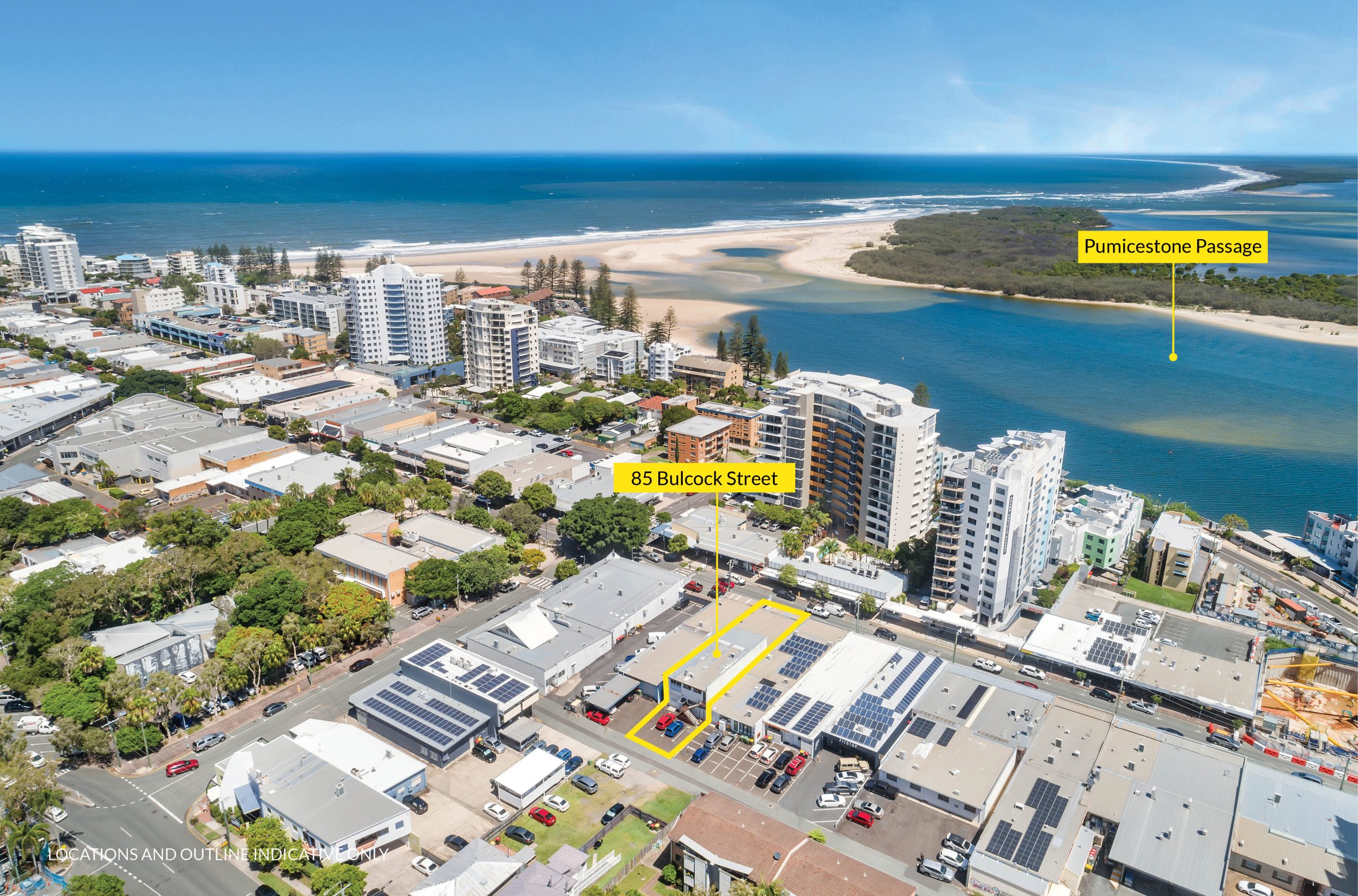
That confidence is translating into transactions. At 85 Bulcock Street, Caloundra (sold by Josh Harris), a renovated retail and office building was acquired by a medical operator relocating from Nambour, with a substantial new fitout reinforcing their long-term commitment to the precinct.
DEFENSIVE INCOME IN DEMAND
Investors remain focused on resilience, gravitating to assets that can sustain income through uncertainty rather than relying on favourable market conditions.
“There’s a clear preference for freehold or multi-tenanted freehold over strata,” says RWC Commercial Property Consultant David Brinkley. “Buyers want control and diversified income.” Multiple tenancies reduce exposure to a single operator and provide flexibility if one lease expires.
Leasing risk tolerance is low. Ground floor, streetfront properties with parking are favoured over secondary stock. Even in prime precincts, such as Hastings Street, established operators are repositioning for stronger frontage rather than exiting altogether.
Medical assets remain a standout, viewed as more stable across economic cycles. Industrial land continues to attract demand, though supply is limited.
Scarcity is compounding competition. “People are looking for future proofing and independence,” adds RWC Noosa & Sunshine Coast Principal Paul Butler. “Most major buildings are fund-owned. There’s only a small amount you can actually buy, and even less that’s genuinely good.”
Certainty of income, tenant diversity and leasing resilience are proving more important than betting on capital growth alone.
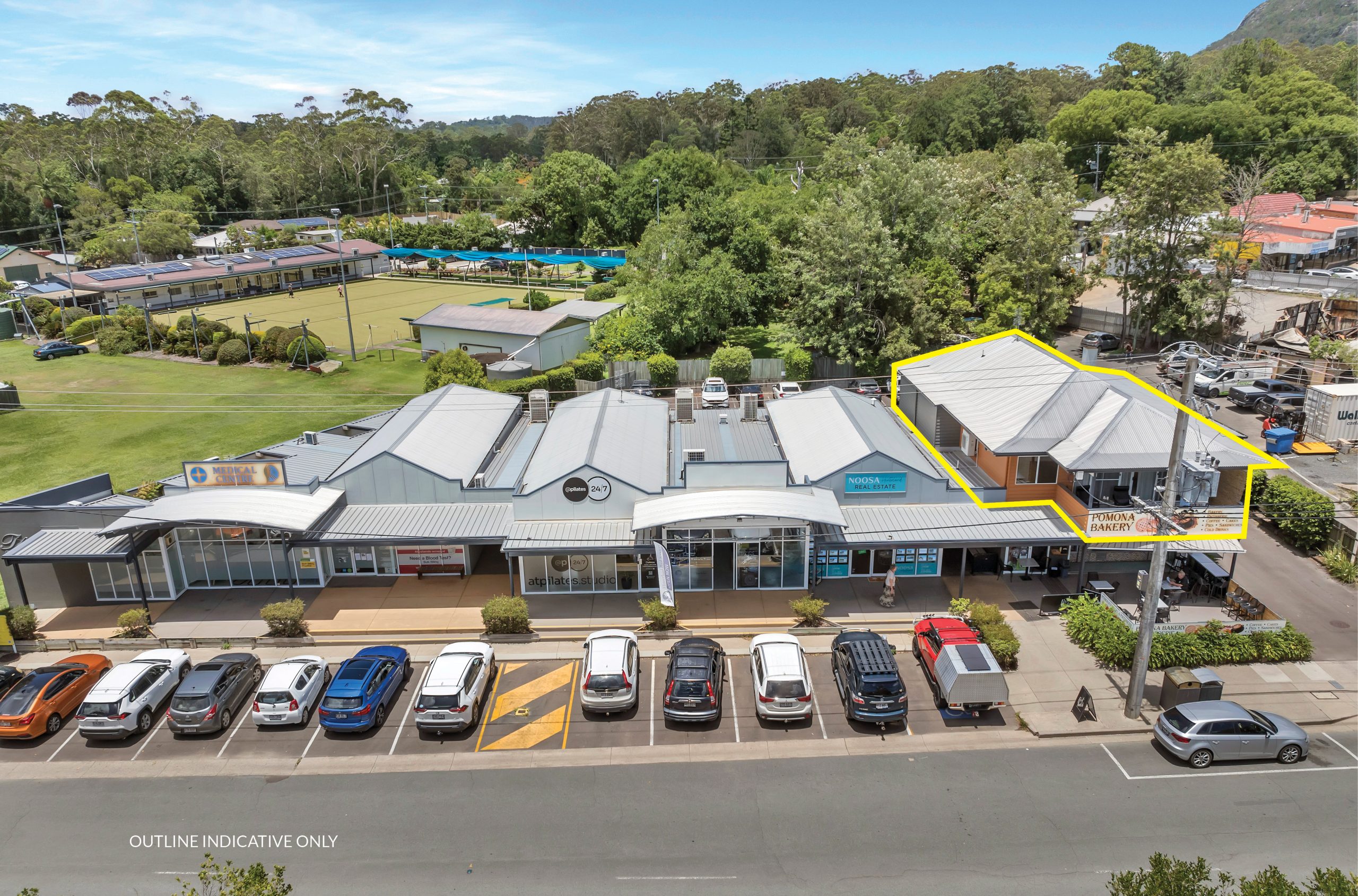
The sale campaign for 1-5/3 Station Street, Pomona, marketed by Rachel Cadamy and David Brinkley, is attracting strong enquiry. The exceptional strata-titled, mixed-use investment offers a diversified income stream and flexible acquisition options, attributes that align with buyers seeking defensive, controllable assets.
QUALITY REAPING REWARDS
Across the market, people want quality over quantity and owners are starting to notice.
“If you want the best tenants and the best return, you need to offer a quality product,” says Josh. “We’re seeing banks looking at Bulcock Street because they want top-end, AAA-rated space to offer their clients. That tells you something about where expectations are sitting.”
Landlords are responding with upgrades and repositioning. Refurbished assets are attracting stronger tenants and higher enquiry. “No one wants to be the odd one out,” Harris notes.
Quality extends beyond bricks and mortar. In the business sales space, financial preparation is just as critical. “You need to be meticulous,” says John Petralia. “Buyers are scrutinising deals more closely than ever. When they start digging, small issues can become big ones. Clean it up before you go to market.”
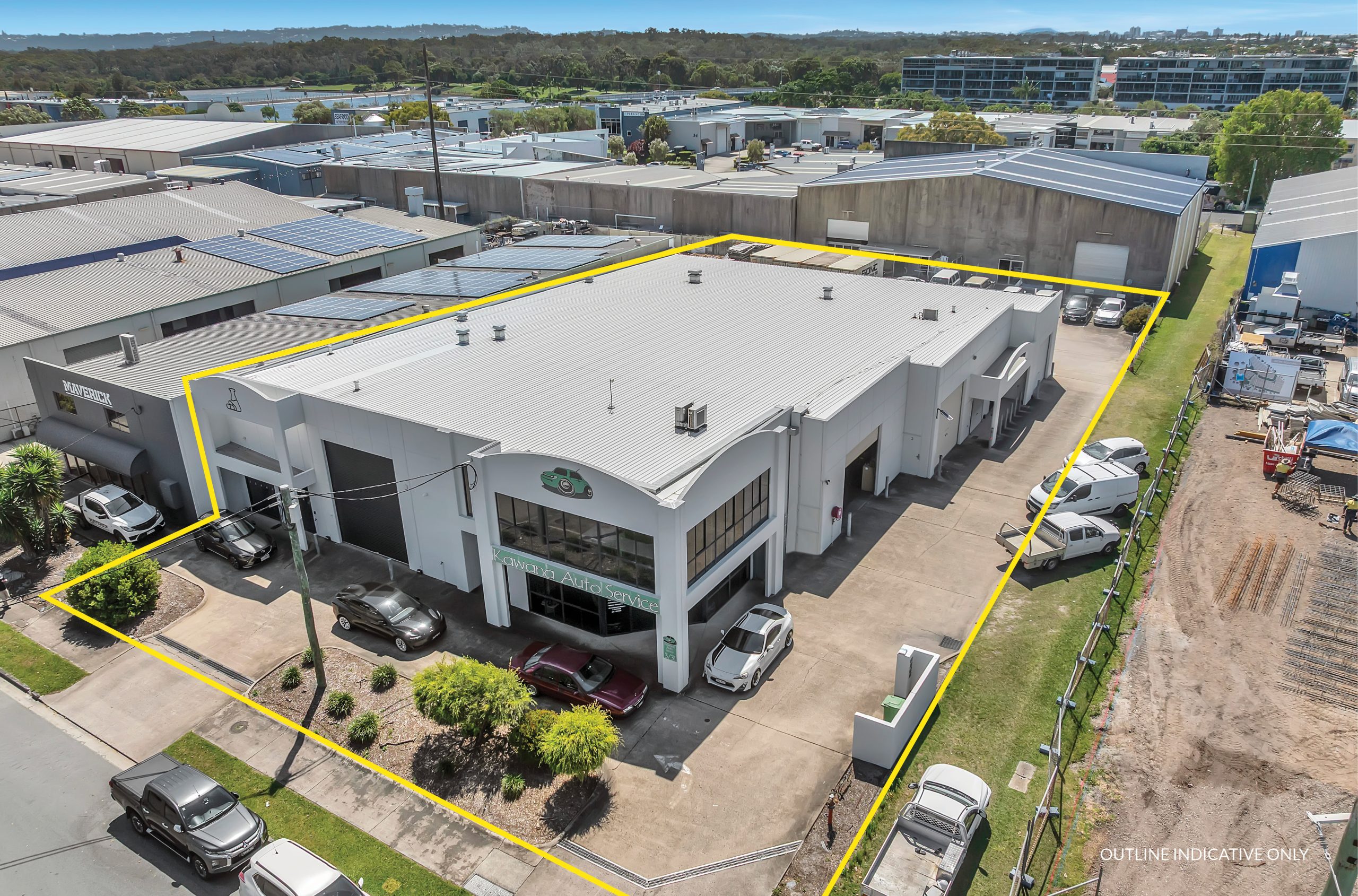
The same principle applies to specialised property. Recently, 31 Production Avenue, Warana, a purpose-built, TGA-licensed pharmaceutical manufacturing facility with a $2.2 million fitout sold for $4 million to a local buyer (by Brenton Thomas and Adam Morley). The result highlights the premium being achieved for well-presented, high-quality assets with strong underlying fundamentals.
RETURN OF RETAIL AND OFFICE CONFIDENCE
Retail and office are regaining attention after several years dominated by industrial. Leasing activity has strengthened and demand from owner-occupiers for both retail and office space is strong. However, supply remains limited and the flight to quality remains an important consideration: “People are either securing something now and improving it, or waiting for the right property,” Josh says.
Hospitality enquiry is also increasing. “We’re seeing more food and beverage operators entering the market seeking quality properties with existing fitouts, or those in key locations that they can customise,” says David Brinkley. “There is an influx of people in the industry moving to the region and, while it’s still tough out there, new residents are looking to create new projects or operations.”
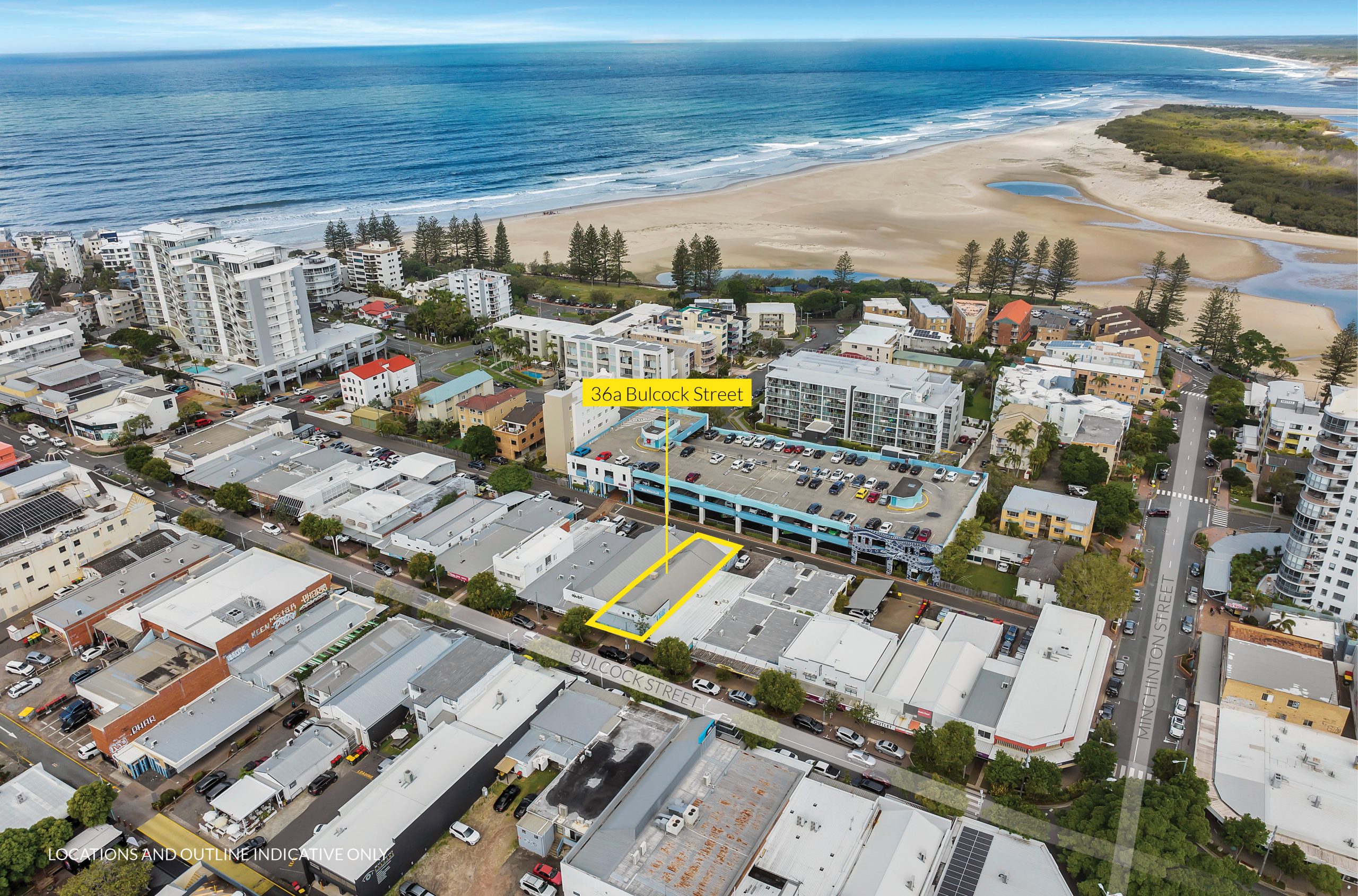
At 36a Bulcock Street, Caloundra, a previously rundown 300m² freehold building was repositioned through landlord investment and secured on a new long term lease by Josh Harris. The refurbishment transformed the asset, attracting strong enquiry and quality retail tenants.
INTERSTATE CAPITAL FLOWING NORTH
Recent enquiry from Victoria and South Australia is described as “through the roof” by David Brinkley, driven partly by changing land tax settings and policy changes in those states. Some investors are reallocating capital north, attracted by Queensland’s comparatively stable framework and growth outlook.
While interstate capital is clearly active, it is complementing, not replacing, strong local demand, creating layered competition for quality assets.
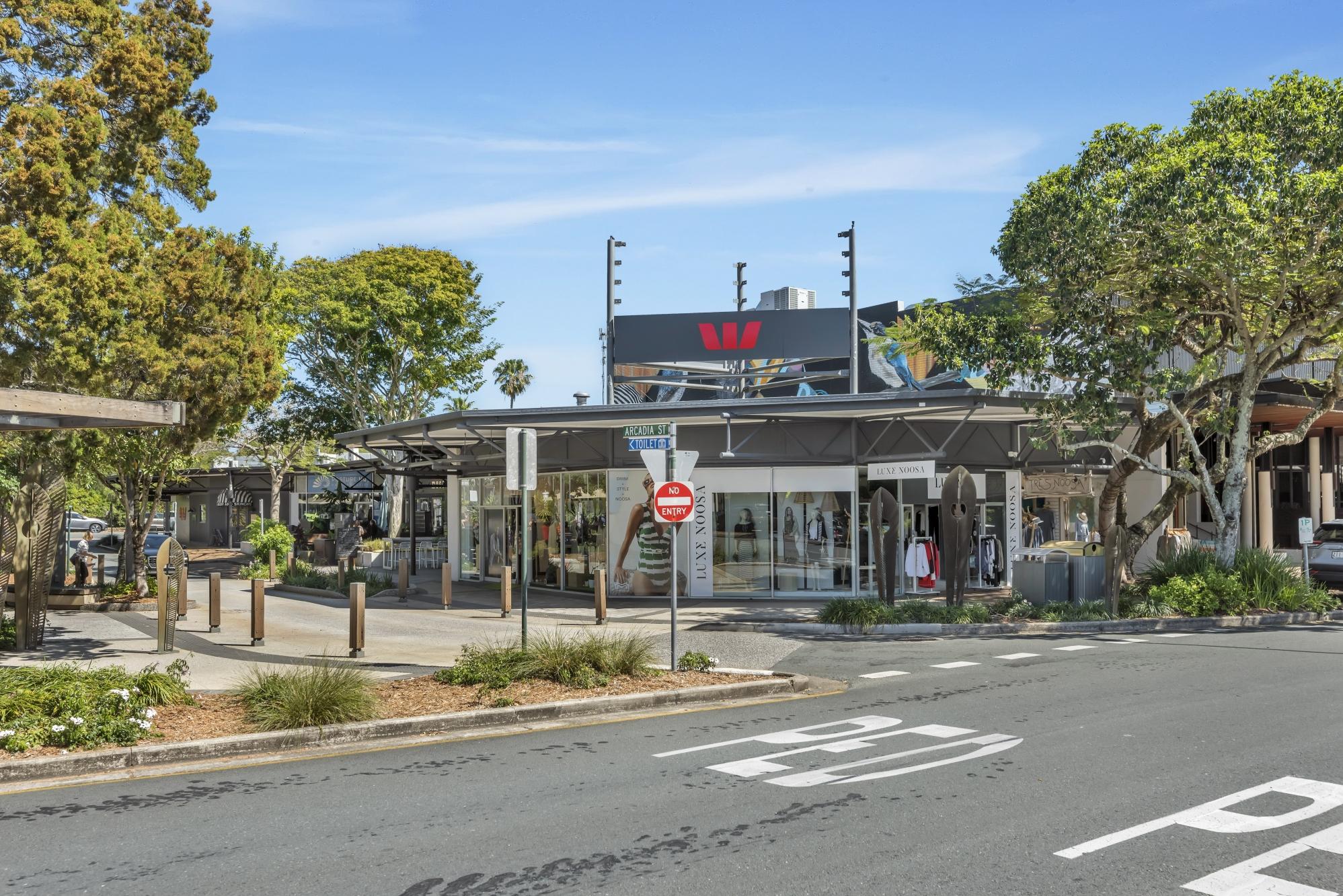
That depth of interest was evident in the sale of 1 Arcadia Street Noosa Heads, a fully leased freehold asset comprising ten diverse tenancies. Sold by David Brinkley and Paul Butler, the property attracted national and international enquiry before transacting to a Victorian investor for $9.4 million at a circa 5 per cent cap rate.
CHANGING BUYER BEHAVIOUR
Buyer activity is not just stronger; it’s more deliberate. Buyer agents account for up to 40 per cent of enquiry in some campaigns, reflecting competition and time pressure.
Interest is coming from Sydney, Melbourne, South Australia, Brisbane and locally, and extends beyond property into business and management rights listings. At the same time, a generational turnover is bringing long-held assets to market, as owners reassess succession and tax strategies.
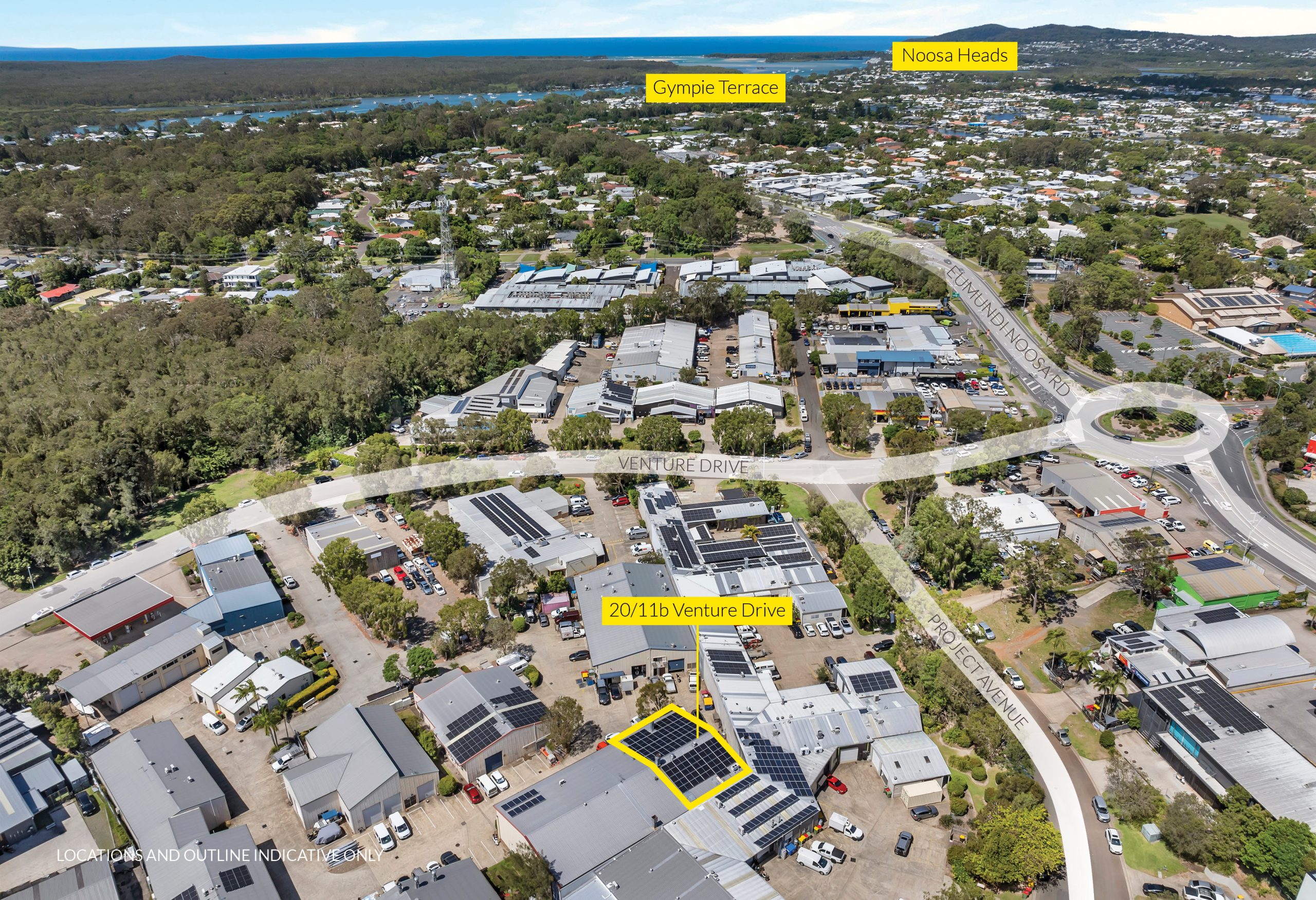
In a current auction campaign run by John Petralia for 20/11b Venture Drive Noosaville, buyer agents represent up to 40 per cent of enquiry, a clear sign of a more competitive and structured buyer market. “Enquiry from Sydney, Melbourne and Brisbane, in addition to local purchasers, highlights the increasing role of professional representation in securing tightly held assets,” says John.
WHAT COULD SHAPE THE REST OF 2026?
No one has a crystal ball but based on what we’ve seen this year to date, the year may see:
For all the early strength in 2026, affordability remains a constraint. Across sectors, borrowing capacity has tightened and elevated pricing means buyers have to work harder to identify genuine value.
“Investors are being more judicious, applying stricter criteria, extending due diligence and prioritising assets with strong leases and reliable tenants,” explains Paul Butler. “The focus is less on rapid capital appreciation and more on securing quality outcomes that can withstand economic pressure.”
Supported by infrastructure and planning reform, yet tempered by affordability realities, 2026 is shaping up as a year defined by disciplined decision-making.
Whether you’re buying, selling, leasing or reviewing the management of your commercial property, our team has their finger on the pulse and the local knowledge to support your next move.
Get in touch with our team on +617 5474 7600.
Industrial property on the Sunshine Coast is changing, shaped by what businesses need from their premises and by how their owners want to work and live.
Discover how local insight and long-term relationships have shaped RWC Noosa’s approach to commercial property over almost three decades.